
People Listing
Turlough Finan
Professor
Our research in microbiology is focused on the soil bacterium Sinorhizobium meliloti that forms N2-fixing root nodules on leguminous plants. The genome of S. meliloti consists of a typical chromosome (3.6 Mb) and pSymA (1.35 Mb) and pSymB (1.68 Mb) replicons. We study genes and processes involved in the interaction of the bacteria with the plant and more generally process that are important for survival in a soil environment. A major current project is to define and manipulate the minimal genes that are necessary and sufficient for nodule formation and N2-fixation. In a key step to achieving a minimal symbiotic genome, we constructed a S. meliloti strain lacking 45% of its genome. In other work, we are studying genes and uptake systems that are regulated in response to phosphate limitation, and in a separate project a locus that confers resistance to bacterial viruses.

Andre Bedard
Professor
Research in my laboratory is centered on the study of cell proliferation and cell transformation. The control of gene expression in quiescent primary chicken embryo fibroblasts (CEF) is the focus of our current research program. In particular, we recently uncovered a novel response to the conditions of limited oxygen concentrations experienced by contact inhibited CEF and showed that this response is critical for the maintenance of lipid/membrane homeostasis and cell survival. Current investigations have for objective to characterize the cellular processes regulated by the lipid/membrane damage response promoting reversible growth arrest and survival of quiescent cells. To do this work we employ basic techniques of cell and molecular biology as well as genomic, proteomic and lipidomic approaches.

Ben Bolker
Professor
I am a quantitative ecologist and evolutionary biologist. I am interested in the ecology and evolution of host-pathogen interactions, including the evolution of virulence; spatial population dynamics, including plant competition and animal movement; and general statistical methods for ecology and evolution. I have worked with data from historical records and from empirical collaborators from a large variety of biological systems – for example seed dispersal by bluebirds, movement of black bears and panthers in Florida, and evolution of virulence in HIV. I focus on developing theoretical models that can be empirically tested, as well as statistical models that can be interpreted in mechanistic terms.

Robin Cameron
Professor
Plants like animals defend themselves from disease and sometimes succumb to microbial disease. My research group is interested in understanding the molecular genetic and biochemical mechanisms of plant immunity. Our long-term goal is to translate our plant immunity knowledge to reduce crop loss and pesticide use in agriculture. After many years of challenging research, my team demonstrated that DIR1 proteins move via the phloem from an initially infected leaf to distant leaves to participate in alerting/priming distant leaves to respond in a resistant manner to future microbial infections. Knowing that DIR1 is a key protein involved in inter-organ communication to initiate resistance, will allow us to dissect the priming response in distant leaves. We are using this knowledge to find environmentally friendly chemical treatments that initiate natural plant defense to provide pesticide-free methods to protect Ontario greenhouse-grown cucumbers and tomatoes from disease. We also study the Age-Related Resistance response in which plants become highly resistant to normally virulent pathogens as they mature. What molecular changes allow a mature plant to perceive and effectively defend against normally virulent pathogens, is another fascinating question we are investigating. As an instructor my goals include convincing students/future citizens that contrary to popular opinion, plants are fascinating and incredibly important for people and the planet. As a mentor to undergraduate and graduate students, I facilitate their growth as scientists and people. I encourage them to improve in areas they find challenging by reminding them it takes time, but it’s worth it.

Ana Campos
Associate Member, Director, School of Interdisciplinary Studies
The ability to generate genetic variants has greatly aided the study of biochemical and developmental pathways. Given the success of this approach it is not surprising that genetics is being used to address a wide range of neurobiological questions including the generation of behaviour. My laboratory uses the larval visual system of the fruit fly Drosophila melanogaster as a model system to investigate the mechanisms underlying the development and function of the nervous system. To that end, mutations or molecular tools are used to impair specific cell types and/or cellular interactions. Mutations found to disrupt the development of the larval visual system or the larval response to light can be used to identify molecules involved in these processes. Thus, my research programme can be divided in two parts namely the genetic analysis of the larval response to light and the molecular genetic analysis of genes required for the development of the larval visual system. To address these questions a variety of techniques are used such as mutant analysis, molecular and cell biology.

Ana Campos
Associate Member, Director, School of Interdisciplinary Studies
Patricia Chow-Fraser
Professor, Faculty of Science Research Chair
I conduct research on the ecology, conservation and management of aquatic and terrestrial ecosystems in the Great Lakes basin. A primary goal is to develop simple ecological indicators to track impacts of human activities on the long-term health of target ecosystems; these have involved citizen scientists, especially high school students and indigenous youth. Our projects involve extensive sampling in streams, lakes, vernal pools, boreal forests, and coastal marshes throughout Ontario, collecting information on planktonic and benthic algae, zooplankton, macro-invertebrates, aquatic macrophytes, wetland fish and birds, amphibians, and/or turtles. We also use satellite information to assess land-use alterations and shoreline development on wetland connectivity and quality, and to map habitat loss from colonization of invasive Phragmites australis. Working continuously in Georgian Bay (GB) since 2003, we have created one of the largest and most comprehensive databases on coastal wetlands of eastern and northern GB. We have modelled the effect of water level on marsh zonation in GB, and how human activities (particularly associated with agricultural and urban/recreational development) can affect nutrient status in embayments, wetlands and streams. My students also use remote sensing, geographic information systems, and radio-telemetry to determine how at-risk freshwater turtles use their habitats, information that is used to find the best options to protect and conserve connecting corridors and critical habitat. Recently, we have begun to examine how recovery of boreal forests from wildfire outbreaks are affected by proximity to water bodies and human features and activities.

Patricia Chow-Fraser
Professor, Faculty of Science Research Chair
Rosa da Silva
Associate Professor, Teaching Stream, Associate Dean Of Science (Academic)
My primary research interests focus on the cellular and molecular mechanisms that regulate various systemic processes within model organisms. Not only is this important to best understand the function of animal physiology, but it also sheds light on analogous regulatory mechanisms that can be translated to human systems. Much of this research has included work on insect model organisms to better understand digestive, cardiac, neural, immune and reproductive processes. In particular, I have identified various regulating proteins and signaling cascades that control cellular machinery and are vital to maximize overall systemic physiology. It is my passion for asking “how” and “why” things happen that I pass on to my students every day. My pedagogical approaches are framed around training students to be leaders in translating interdisciplinary scientific applications to the real world. I have collaboratively established undergraduate research-focused projects (The Stink Bug Project, BioBlend Project, Horizontal Curriculum Integration Project), applied undergraduate laboratory and research facilities (ALLURE lab, Undergraduate Cell Biology Lab, Living Systems Lab) and have engaged students in translating the science they learn beyond the walls of the classroom through the use of social media and emerging technologies including Blended Learning. All of my wet-lab and pedagogical research projects are highly collaborative with teams of students. As a Distinguished MacPherson Institute Leadership in Teaching and Learning (LTL) Fellow, I look forward to continuing to collaborate with other faculty across McMaster University and beyond on additional projects that can ultimately improve the education that students attain in our classrooms.

Rosa da Silva
Associate Professor, Teaching Stream, Associate Dean Of Science (Academic)
Juliet Daniel
Professor, Associate Dean, Research and International Relations
Cancer Biology, Cadherin-Catenin mediated Cell adhesion and Signaling, POZ Transcription Factors Our research goal is to understand the cellular and molecular basis of E-cadherin-mediated adhesion in normal cell growth, development and tumourigenesis. The primary epithelial cell-cell adhesion system involving E-cadherin and its catenin cofactors a-, b-, g- and p120ctn, is perturbed in ~50% of human metastatic tumours, and this correlates with the invasive phenotype. Interestingly, the catenins also function as transcriptional regulators of genes involved in tumourigenesis. My laboratory focuses on the transcription factor Kaiso that was first identified as a specific binding partner for the catenin p120ctn, which is aberrantly expressed or absent in human breast, colon and skin carcinomas. Kaiso is a novel member of the POZ-zinc finger family of transcription factors implicated as oncoproteins or tumor suppressors, and currently it is the only known POZ protein with bi-modal DNA-binding and transcriptional repression activity; Kaiso recognizes a sequence-specific consensus, TCCTGCNA, or methylated CpG-dinucleotides.

Juliet Daniel
Professor, Associate Dean, Research and International Relations
Ian Dworkin
Professor
At one level, evolution is remarkably simple, with just a few concepts (mutation, recombination, random drift and natural selection) that underlie the overall process. Yet this description obscures many issues that make evolution a fascinating area for study. Evolution typically involves many genes and often revolves around interactions between individuals and their environments. Moreover, genes interact with one another and with the environment in a nonlinear fashion, resulting in complex phenotypes and evolutionary dynamics. My work aims to describe and analyze such interactions with experimental and quantitative rigor. Specifically work in my lab aims to address the fundamental question about the mechanistic basis of observed phenotypic variation. That is, how genetic (and environmental) variation modulate developmental processes and ultimately influence phenotypic outcomes. My research employs genetic and genomic approaches to address these issues, largely using Drosophila (fruit flies) as a model system. Most labs that work with Drosophila study either individual mutations of large effect (such as those that completely knock out a particular function) or subtle quantitative variation (rarely identifying specific genes). We employ both of these empirical approaches in conjunction with our genomic analyses to help relate our understanding from developmental genetics with the natural variation observed in populations.
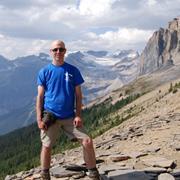
Susan Dudley
Professor
Plant interactions with other plants My current research focuses on plant communication and behaviour, including plant kin recognition. Plants live in highly social environments, and they do behave, though very slowly. Plants sense the presence of other plants, and then respond, usually by producing a more competitive phenotype. Responses to cues of neighbours are thus important in competition. My lab has worked on plant responses to aboveground cues, the presence/absence of belowground neighbours, and the relatedness of belowground neighbours. We collaborate with Dr. Harsh Bais, University of Delaware, on research into the underlying mechanisms for responses to relatives. Adaptation to abiotic stresses My research program on the evolution of plant carbon acquisition traits has included studies that integrate the physiological ecology of drought stress with the natural selection on drought stress traits, and genetic differentiation between populations from environments differing in water availability. A former student, Laura Beaton developed a research program on adaptation of plants to roadside stresses, including salinity and manganese. I collaborate with Dr. Lisa Donovan, University of Georgia, in understanding how plant physiological traits evolve under stress.